
When the Holidays End but Our Bodies Are Still in “Go Mode”
December 2025 Newsletter

Dear Community,
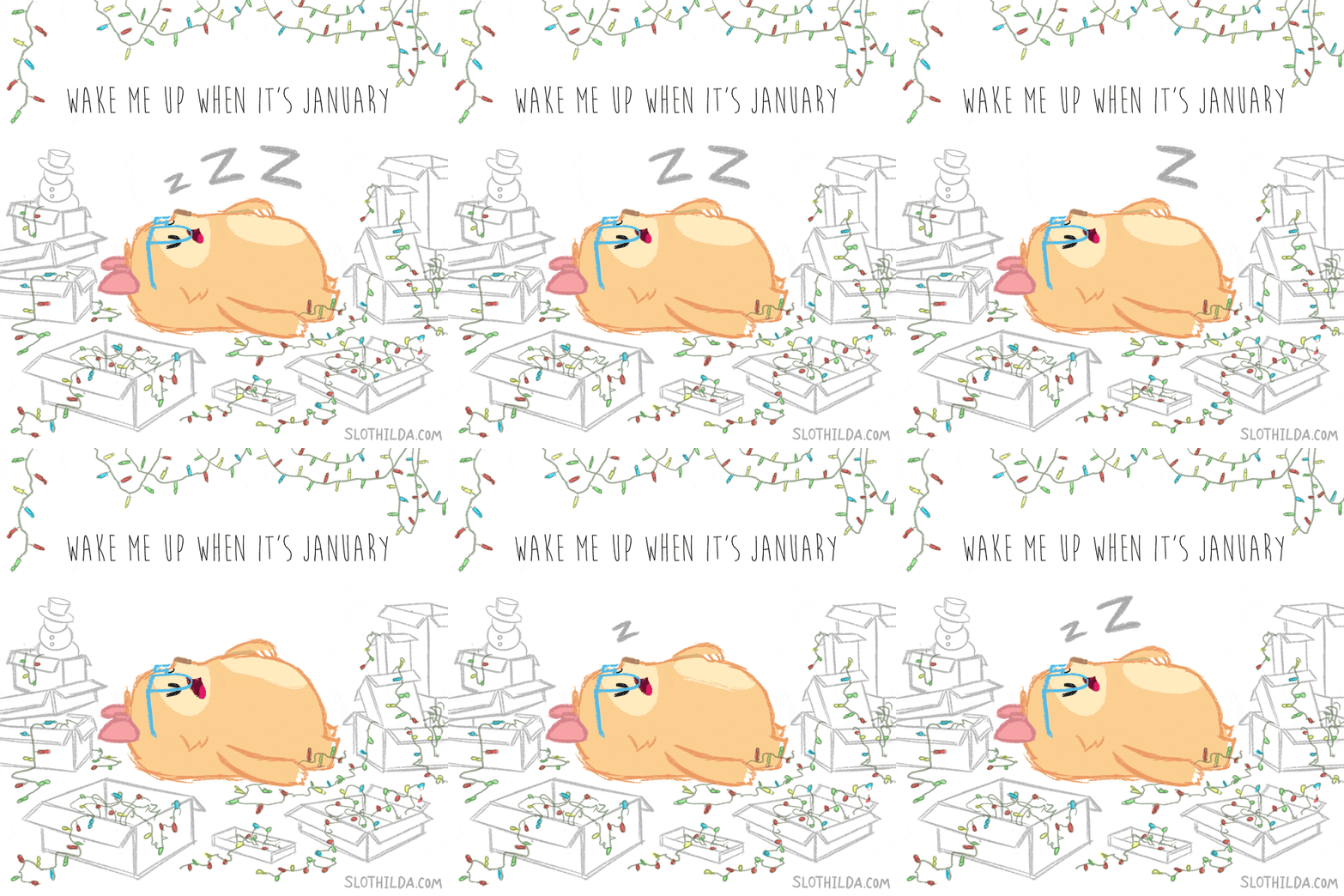
As a psychologist, I often see clients who feel surprisingly activated once the holiday rush is over. The decorations come down, the calendar quiets, and yet—internally—we’re still bracing. The body doesn’t always get the memo that the stressful season has passed. This is because our autonomic nervous system (ANS), the system responsible for “fight or flight,” tends to lag behind our circumstances. Even when the chaos stops, our physiology may still be running on urgency, hypervigilance, or chronic “doing.” The good news? Our bodies are wired not only for survival, but also for repair. And we can gently guide ourselves back into the parasympathetic branch of the nervous system—the state often called “rest and digest,” or by some researchers, “tend and befriend.” This is the state where we soothe, connect, repair, and replenish.
Why We Have to Actively Downshift
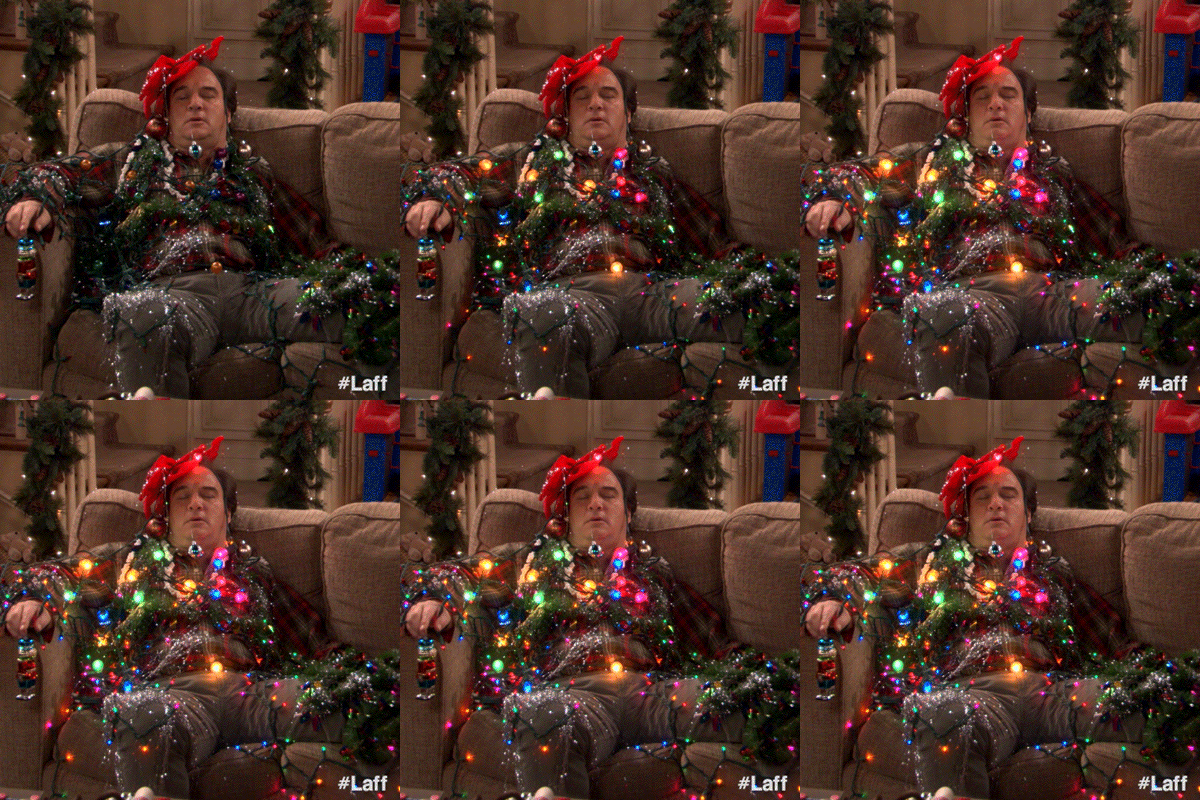
After weeks of stimulation, social schedules, errands, gatherings, and emotional labor, the nervous system may stay stuck in sympathetic activation. That’s why even after things have calmed down, you might still feel:
- Restless or wired
- Difficulty relaxing
- Trouble focusing
- A sense of urgency
- Fatigue that feels “beyond tired”
None of this means anything is wrong with you. It simply means your body needs intentional cues to return to baseline.
Think of it like teaching your system that it’s finally safe enough to soften.
How We Bring Ourselves Back to Baseline
Rest and recovery require more than collapsing on the couch. They involve small, steady signals to the ANS that invite safety, presence, and connection. Here are both science-informed strategies and the personal practices I’ll be doing myself to honor my own nervous system as we transition into the new year:
✨ Practices to Gently Activate “Rest and Digest”
1. Begin the day with a 3-minute body scan: A brief check-in helps anchor the mind in the present and invites the parasympathetic system online. I’ll be starting each morning by noticing sensations with curiosity, not judgment.
2. Drink the first cup of tea slowly; Savoring taste and scent is a form of mindfulness that signals safety. I pause, breathe, and let the warmth cue my system to soften.
3. Take a short, slow walk outside: Unhurried movement resets the nervous system—especially when combined with natural light and gentle sensory input.
4. Listen to a favorite song: Music can shift our physiology within seconds. I allow it to move my emotions, and sometimes…
5. Dance a little: It doesn’t have to be structured. Just moving your body to rhythm helps complete the stress cycle.
6. Mindful stretching or gentle movement: Slow, intentional motion helps the body discharge tension and reconnect with ease.

The Goal Isn’t Perfection—It’s Reconnection
As we ease out of the holiday season, try treating your nervous system like a guest you want to welcome back home. Warmly. Tenderly. With curiosity rather than pressure. A regulated body becomes a more grounded mind—one that can return to daily life with more clarity, steadiness, and energy. Here’s to rest that restores, movement that nourishes, and a new year approached not from urgency, but from alignment.
If you want more practical psychology-based reflections and strategies for nervous system health, be sure to follow along—I’ll be sharing tools, stories, and gentle reminders throughout the season.
Until next month,
Your favorite enabler of Mental Wellness
The Montclair Therapist
Dr. Amanda Aster-McKenna, Psy.D.
(She/Her/Hers)
NJ Licensed Psychologist #5888, Private Practice, Montclair, NJ
Adjunct Professor, Kean University, Department of Advanced Studies in Psychology
Manager, New York City Chapter of the Association for Contextual Behavioral Science
Board Member, Mental Health Association of Essex and Morris
*Peace, Love, & Fierce Acceptance*
If you would like to sign up for my monthly newsletter, please email [email protected] to be added to the mailing list.